
NEWYou can now listen to Fox News articles!
Virginia Democratic Sen. Tim Kaine promised to force a vote on a war powers resolution to bar further prosecution of the war against Iran. Republicans such as Rep. Thomas Massie, R-Ky., have joined in the call to bar further hostilities. These members are certainly within their rights to call for such resolutions, and the Framers wanted such debates to occur in Congress. However, it is too late to make this cat walk backwards.
While there are good-faith reasons to oppose the commencement of the attacks, the United States is now in close combat with Iran. Drafting a war powers resolution at this stage would be nearly impossible without putting U.S. personnel and allies at risk.
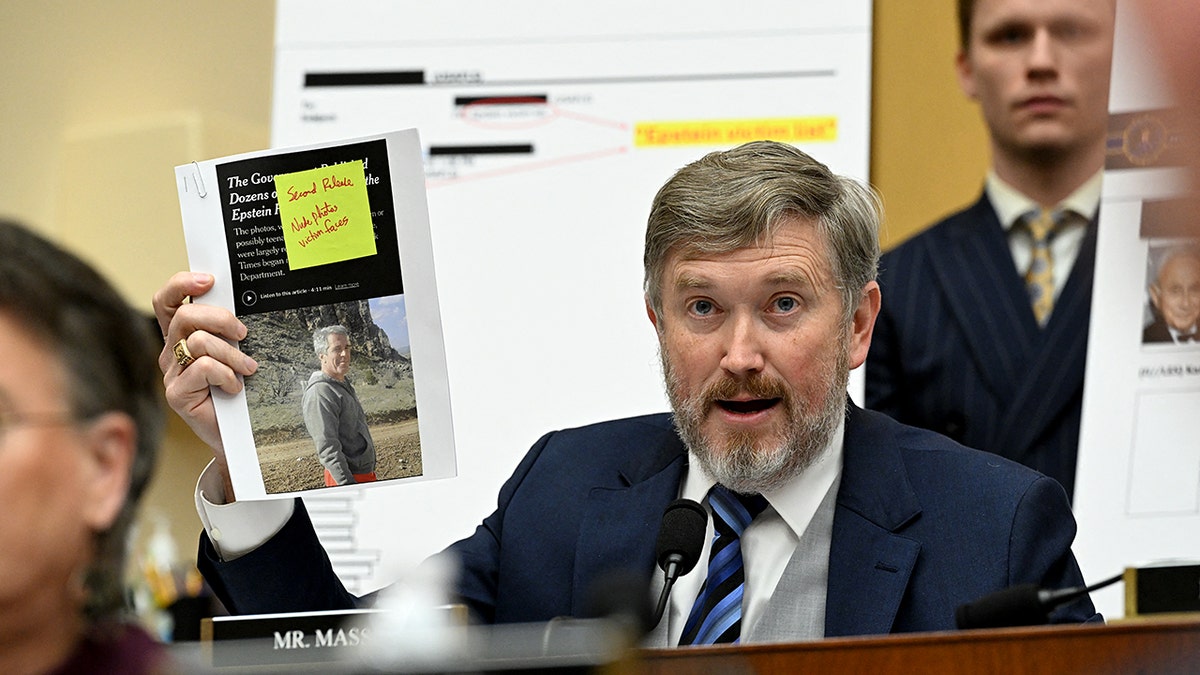
Rep. Thomas Massie questions Attorney General Pam Bondi before a House Judiciary Committee hearing on Capitol Hill, Feb. 11, 2026. (Roberto Schmidt/AFP via Getty)
The Constitution divides war powers between the legislative and executive branches. Article II, Section 2 of the Constitution declares that “the President shall be commander in chief of the Army and Navy of the United States, and of the militia of the several states.” However, under Article I, Section 8, Clause 11, only Congress may declare wars.
The result has been over two centuries of conflicts between presidents and Congress. Presidents are clearly authorized to respond to threats to national security by commencing military operations. Past presidents, including Democratic presidents such as Barack Obama and Joe Biden, have asserted the unilateral power to attack other nations when they believe that combat is warranted by national security.
The War Powers Act was the response of Congress to try to curtail such unilateral authority. Overriding the veto of President Richard Nixon, Congress mandated that presidents must consult with them and cease all combat operations within 60 days if Congress has not approved the use of force. Presidents, and some academics, have long argued that the WPA is unconstitutional in part or in whole.
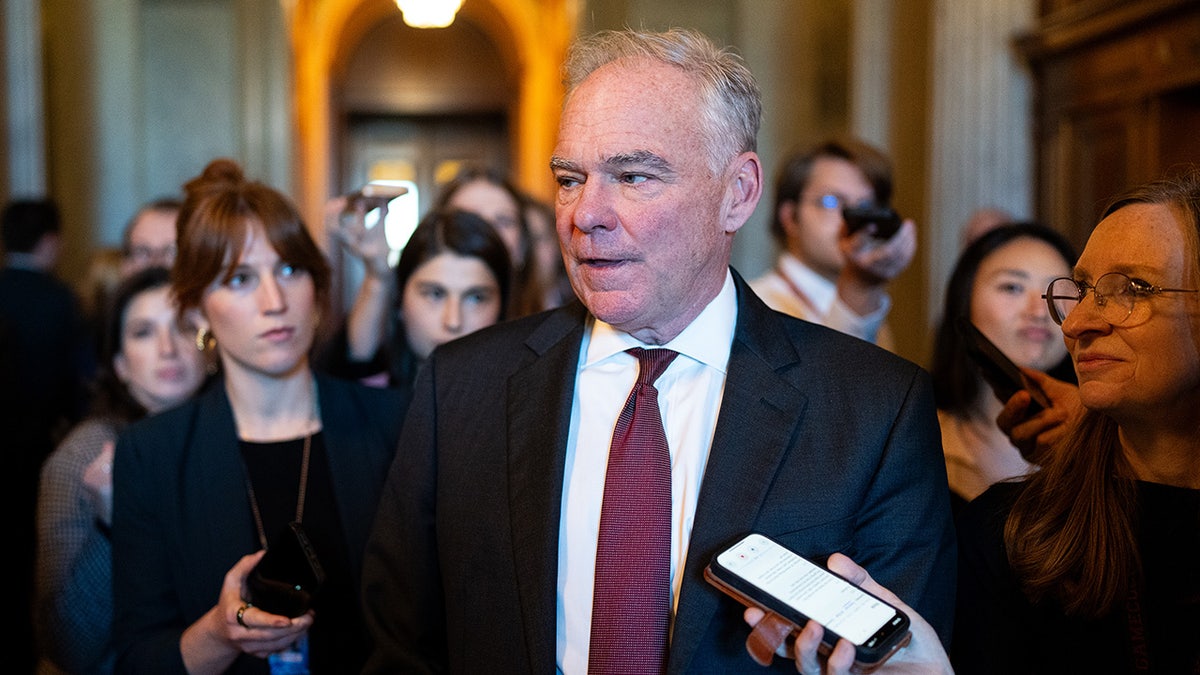
Sen. Tim Kaine speaks to reporters at the U.S. Capitol on Nov. 6, 2025. (Bill Clark/Getty Images)
Now to the current conflict. The 60-day period is likely ample for what President Donald Trump is planning for Iran since he has ruled out putting American boots on the ground in the conflict. That is why Kaine, Massie, and others are moving to cut off authorization immediately.
The problem is that the Iranian Revolutionary Guards are now launching a full-fledged attack with thousands of missiles against the United States, its assets, and its allies around the world. It has also declared that the key Strait of Hormuz is now closed — potentially choking off twenty percent of the world’s oil reserves.
KAINE WANTS TO REIN IN TRUMP’S WAR POWERS, BUT NEVER DID THE SAME FOR BIDEN, OBAMA
So how are these members going to draft a War Powers Resolution?
The WPA requires that:
“The President in every possible instance shall consult with Congress before introducing United States Armed Forces into hostilities or into situations where imminent involvement in hostilities is clearly indicated by the circumstances, and after every such introduction shall consult regularly with the Congress until United States Armed Forces are no longer engaged in hostilities or have been removed from such situations.”
JONATHAN TURLEY: TRUMP STRIKES IRAN — PRECEDENT AND HISTORY ARE ON HIS SIDE
Kaine and others insist that hostilities were not imminent when we attacked. Even if that were true, they are now. We are in a full engagement with Iran with mounting injuries and destruction. All threats are now imminent and all attacks are arguably preemptive.
The War Powers Act specifically allows for the use of force in “a national emergency created by attack upon the United States, its territories or possessions, or its armed forces.” Those attacks are now occurring.
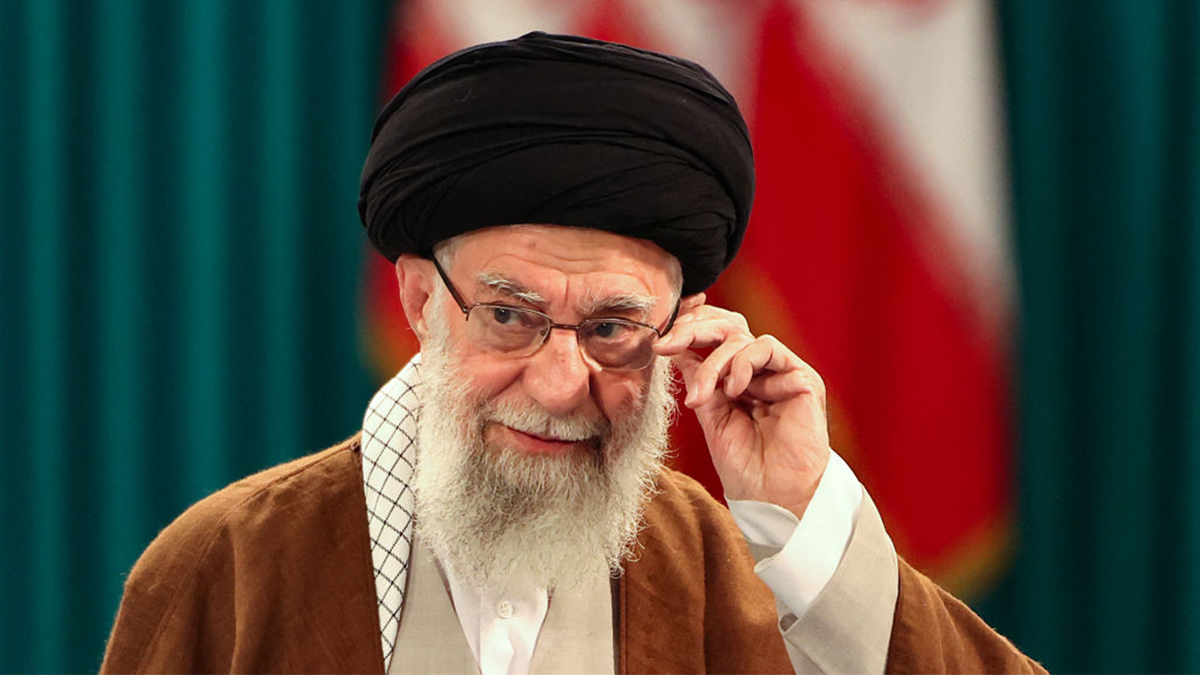
Iranian Supreme Leader Ayatollah Ali Khamenei (Getty Images)
In these circumstances, it would be nearly impossible to limit the war powers of the president without putting American personnel or allies at risk. After decapitating the leadership in Iran, Iranian assets are clearly operating under prior orders in a decentralized structure. That means that the United States must neutralize any and all assets that they can find in preemptive attacks while trying to further degrade the command structure of the Iranian government.
PRESIDENT TRUMP’S IRAN WARNING IS SERIOUS — BUT AMERICANS NEED THE FULL FACTS
Is Congress going to require the United States to only act responsively, rather than preemptively, to attacks? That would be absurd from an operational standpoint.
The most a resolution could demand is the cessation of hostilities once imminent threats are removed. That would be practically meaningless given the fact that hostilities will continue so long as the current Iranian government remains in power. Both the IRG and de facto Iranian leader Ali Larijani pledged that they are now unleashing every asset against the United States and its allies. Larijani declared “They stabbed heart of the nation, their heart will be stabbed too.”
CLICK HERE FOR MORE FOX NEWS OPINION
The other problem with the resolution is the glaring disconnect for Democrats from their silence in the face of Democratic presidents using the same claimed inherent authority as President Donald Trump.
Obama and then-Secretary of State Hillary Clinton attacked the capital city of Libya and that country’s military assets without any imminent threat to the United States. Many of the current members were entirely silent. After calling for the rescission of the broadly interpreted 2002 Authorization for Use of Military Force (AUMF), Biden then claimed that same authority to launch his own attacks on Iraq and Yemen.
CLICK HERE TO DOWNLOAD THE FOX NEWS APP
The choice now for Democrats is either a senseless or suicidal resolution. It can either resolve to end hostilities as soon as practically possible (an objective already stated by the Administration) or it can actually seek to limit the Administration’s options amid full-fledged war.
In other words, Trump (like some of his predecessors) has boxed in Congress. Presidents are allowed to initiate hostilities, and Congress will not end them by limiting our options. The choice is now to finish or flee the battlefield.
CLICK HERE TO READ MORE FROM JONATHAN TURLEY
Related Article