

NEWYou can now listen to Fox News articles!
Protecting your privacy doesn’t require advanced tools or technical expertise. Some of the most effective protections are already built into your phone; you just need to know where to look.
These five privacy tips show you exactly how to reduce tracking and limit data sharing on both iPhone and Android using the latest software.
Sign up for my FREE CyberGuy Report
Get my best tech tips, urgent security alerts and exclusive deals delivered straight to your inbox. Plus, you’ll get instant access to my Ultimate Scam Survival Guide – free when you join my CYBERGUY.COM newsletter.
10 WAYS TO PROTECT SENIORS FROM EMAIL SCAMS
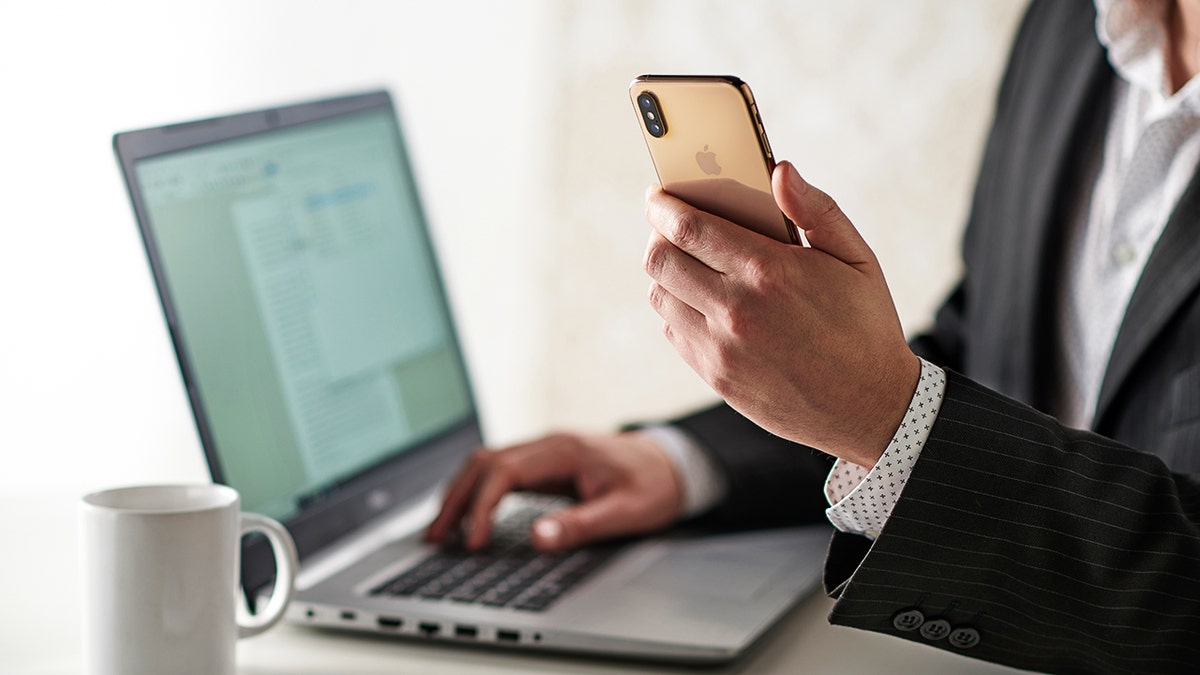
Smartphone users can boost privacy by adjusting built-in settings that limit tracking, location sharing and background data collection on iPhone and Android devices. (Neil Godwin/Future via Getty Images)
1) Reduce app permissions
Apps often request access to your camera, microphone, contacts, photos and location, even when it’s not necessary. Limiting these permissions reduces background data collection.
iPhone
- Open Settings
- Tap Privacy & Security
- Select a permission type such as Microphone, Camera, Photos, or Contacts
- Toggle off access for apps that don’t need it
Android
Settings may vary depending on your Android phone’s manufacturer
- Open Settings
- Tap Security and Privacy
- Scroll down and tap More privacy settings or Privacy controls
- Tap Permission Manager
- Choose a permission category and set apps to Don’t allow or Allow only while using the app
2) Turn off location access you don’t need
Location tracking can reveal where you live, work, shop and travel.
iPhone
- Open Settings
- Tap Privacy & Security
- Tap Location Services
- Select an app and choose While Using the App or Never
- Turn off Precise Location when exact coordinates aren’t needed
Android
Settings may vary depending on your Android phone’s manufacturer
- Open Settings
- Tap Location
- Tap App location permissions or App permissions
- Scroll through the list and tap the app you want to change
- Select Allow only while using the app or Don’t allow
3) Turn off photo sharing with apps
Some apps request full access to your photo library, giving them visibility into every image and video you’ve taken.
iPhone
- Open Settings
- Tap Privacy & Security
- Tap Photos
- Select an app and choose Selected Photos or None
Android
Settings may vary depending on your Android phone’s manufacturer
- Open Settings
- Tap Security and Privacy
- Scroll down and tap More privacy settings or Privacy controls
- Tap Permission Manager
- Tap Photos and videos
- Scroll through the list and tap the app you want to change
- Set apps to Don’t allow, or Allow limited access
5 TECH TERMS THAT SHAPE YOUR ONLINE PRIVACY
Turning off unnecessary app permissions and tracking features helps protect sensitive information stored on your phone. (Photo by Sebastian Kahnert/picture alliance via Getty Images)
4) Turn off app tracking
App tracking allows advertisers to follow your activity across multiple apps.
iPhone
- Open Settings
- Tap Privacy & Security
- Tap Tracking
- Turn off Allow Apps to Request to Track
Android
Settings may vary depending on your Android phone’s manufacturer
- Open Settings
- Tap Security & privacy
- Scroll down and tap More privacy settings
- Tap Ads
- Tap Delete advertising ID to remove the existing ID tied to your device
- Tap Reset advertising ID to generate a new, blank ID
This removes the identifier apps use to track you for targeted ads and replaces it with a fresh ID that isn’t linked to your previous activity.
5) Turn off unnecessary background app activity
Some apps continue running and collecting data even when you’re not actively using them.
iPhone
- Open Settings
- Tap General
- Tap Background App Refresh
- Turn it off entirely or disable it for individual apps
Android
Settings may vary depending on your Android phone’s manufacturer
- Open Settings
- Tap Apps
- Select an app
- Tap Battery
- Choose Restricted or turn off Allow background usage
Pro tip: Use a password manager
A password manager reduces the need to store logins inside apps, which can limit unnecessary permissions and data collection.
Next, see if your email has been exposed in past breaches. Our No. 1 password manager pick includes a built-in breach scanner that checks whether your email address or passwords have appeared in known leaks. If you discover a match, immediately change any reused passwords and secure those accounts with new, unique credentials.
WHY JANUARY IS THE BEST TIME TO REMOVE PERSONAL DATA ONLINE
Privacy experts say small changes to phone settings can go a long way in reducing digital surveillance and data exposure. (Karl-Josef Hildenbrand/picture alliance via Getty Images)
Check out the best expert-reviewed password managers of 2026 at Cyberguy.com.
Kurt’s key takeaways
Protecting your privacy doesn’t have to be complicated. By reducing app permissions, limiting location access, controlling photo sharing, turning off app tracking and restricting background activity, you can significantly reduce how much personal data your phone shares. A few simple setting changes can go a long way in protecting your digital life.
What privacy setting surprised you the most, or is there one you’re unsure about? Let us know by writing to us at Cyberguy.com.
CLICK HERE TO DOWNLOAD THE FOX NEWS APP
Sign up for my FREE CyberGuy Report
Get my best tech tips, urgent security alerts and exclusive deals delivered straight to your inbox. Plus, you’ll get instant access to my Ultimate Scam Survival Guide – free when you join my CYBERGUY.COM newsletter.
Copyright 2026 CyberGuy.com. All rights reserved.