

NEWYou can now listen to Fox News articles!
If you have an account with Ameriprise Financial, this is one of those moments where it makes sense to slow down and pay close attention.
A data breach disclosed last month exposed the personal information of nearly 48,000 people across the United States.
While the company says no money was stolen, that does not mean there is no risk. In many cases, this is when the real problems begin.
Let’s walk through what happened, what may be at stake and what you should do next.
Sign up for my FREE CyberGuy Report
- Get my best tech tips, urgent security alerts and exclusive deals delivered straight to your inbox.
- For simple, real-world ways to spot scams early and stay protected, visit CyberGuy.com – trusted by millions who watch CyberGuy on TV daily.
- Plus, you’ll get instant access to my Ultimate Scam Survival Guide free when you join.
BANKING TECH DATA BREACH EXPOSES 672K IN RANSOMWARE ATTACK

Ameriprise customers are being urged to review their accounts after a data breach exposed the personal information of nearly 48,000 people nationwide. (Smith Collection/Gado/Getty Images)
What we know about the Ameriprise data breach
The incident dates back to March 2, 2026. Ameriprise says it detected unauthorized access on March 18, about 16 days later, according to a filing with the Maine attorney general. In simple terms, someone gained access to stored company data and files. The company says it blocked that access once discovered and brought in outside cybersecurity experts to investigate.
Ameriprise also said there were no unauthorized transactions or movement of funds, and business operations continued without disruption. That may sound reassuring at first. However, breaches like this are rarely about immediate theft. Instead, the risk often shows up later.
What kind of data may have been exposed?
The notification letters say the attacker accessed “certain stored data and files” that may include personal information. That can vary depending on the individual. In breaches like this, it often includes names, addresses and financial account details. In some cases, it may also involve Social Security numbers or other identifiers.
At the same time, court filings tied to the case raised additional concerns. Two lawsuits alleged that a group known as ShinyHunters claimed responsibility and threatened to release more than 200 gigabytes of internal data. Those lawsuits were later dropped without prejudice, which means they could be refiled. As a result, the legal side of this story may not be over.
How Ameriprise responded to the data breach
“This relates to a recent incident that involved unauthorized access to certain stored data and files. Importantly, there was no disruption to business operations,” an Ameriprise Financial spokesperson told CyberGuy. “We are taking appropriate actions, including notifying the limited number of individuals with personally identifiable information (PII) impacts and offering them credit and identity monitoring.”
That response is standard after a breach. It can help you spot suspicious activity sooner, but it does not stop every type of fraud.
It is also worth noting that Ameriprise has reported multiple data security incidents over the past several years. That context may raise additional concerns for some customers.
CARGURUS BREACH LINKED TO SHINYHUNTERS EXPOSES 12.4M RECORDS

An Ameriprise data breach disclosed last month may not have led to stolen funds, but experts warn the exposure of personal data can create lasting fraud risks. (Daniel de la Hoz/Getty Images)
Why the Ameriprise breach still matters even if no money was stolen
This is the part many of us overlook. When you hear that no funds were moved, it is easy to assume everything is fine. In reality, stolen personal data often becomes valuable later.
That information can be used for identity theft or account takeovers. It can also fuel highly convincing phishing scams. In some cases, it ends up tied to fraudulent loan or credit applications. So while nothing may happen right away, the exposure can create risk that lingers.
How to stay safe after the Ameriprise data breach
Breaches like this are becoming more common, even at large financial firms that invest heavily in security. However, that does not mean you are powerless. It does mean you should assume your data could be exposed at some point and take steps to protect yourself ahead of time. Being proactive now can help you avoid bigger problems down the road. So here are some steps that can help reduce your risk and give you more control.
1) Secure your email account first
Start with your email since it connects to almost every account you have. Use a strong password and turn on two-factor authentication (2FA) to lock it down.
2) Watch your financial accounts closely
Check your bank and investment accounts regularly. Look for unfamiliar transactions, even small ones, since fraud often starts quietly.
3) Lock down your credit
Placing a credit freeze with the major bureaus can make it much harder for someone to open new accounts in your name.
4) Use strong, unique passwords
If you reuse passwords, now is the time to change that habit. A password manager can help you create and store secure logins. Check out the best expert-reviewed password managers of 2026 at Cyberguy.com.
SCAMS THAT AREN’T ILLEGAL (BUT SHOULD BE)
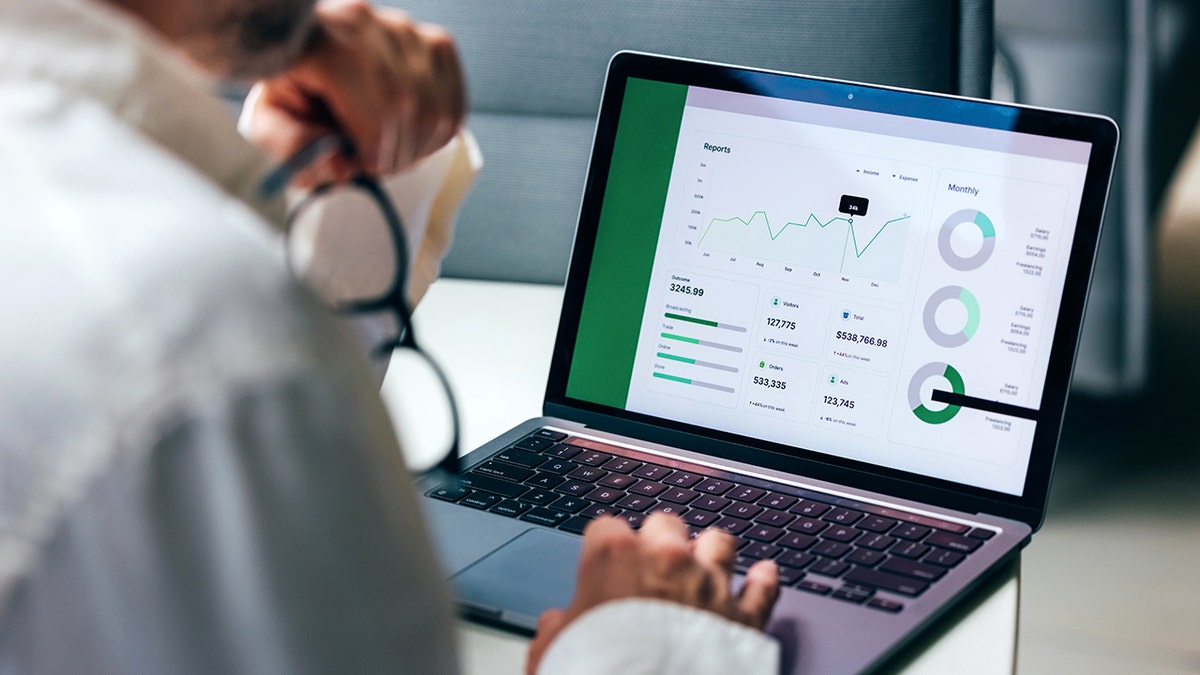
A breach affecting thousands of Ameriprise customers is raising new concerns about account security, credit fraud and the long-term fallout from exposed data. (FreshSplash/Getty Images)
5) Turn on two-factor authentication
Add two-factor authentication (2FA) wherever possible, especially for financial accounts and any service tied to your identity.
6) Remove your personal data from broker sites
Consider using a personal data removal service to reduce the amount of your information that is publicly available. This can limit targeted scams that rely on detailed personal profiles. Check out my top picks for data removal services and get a free scan to find out if your personal information is already out on the web by visiting Cyberguy.com.
7) Be cautious with unexpected messages
After breaches, phishing attempts tend to increase. Messages may look legitimate, so take a moment to verify before clicking links or sharing information. Using strong antivirus software can also help detect malicious links or downloads before they cause harm. Get my picks for the best 2026 antivirus protection winners for your Windows, Mac, Android and iOS devices at Cyberguy.com.
8) Consider identity monitoring tools
Identity theft services can alert you to suspicious activity tied to your personal data. They are not perfect, but they can help you respond faster. They can also monitor dark web marketplaces where stolen information is often traded. See my tips and best picks on Best Identity Theft Protection at Cyberguy.com.
Kurt’s key takeaways
The Ameriprise breach is a reminder that even trusted financial institutions can become targets. The company says no money was taken, and that matters. Still, the exposure of personal data can carry long-term risk. While this story may fade from headlines, the impact can last much longer for those affected. Paying attention now can save you from dealing with fraud later.
CLICK HERE TO DOWNLOAD THE FOX NEWS APP
If your financial firm told you your data was exposed, but your money was safe, would you feel reassured or more concerned? Let us know by writing to us at Cyberguy.com.
Sign up for my FREE CyberGuy Report
- Get my best tech tips, urgent security alerts and exclusive deals delivered straight to your inbox.
- For simple, real-world ways to spot scams early and stay protected, visit CyberGuy.com – trusted by millions who watch CyberGuy on TV daily.
- Plus, you’ll get instant access to my Ultimate Scam Survival Guide free when you join.
Copyright 2026 CyberGuy.com. All rights reserved.