
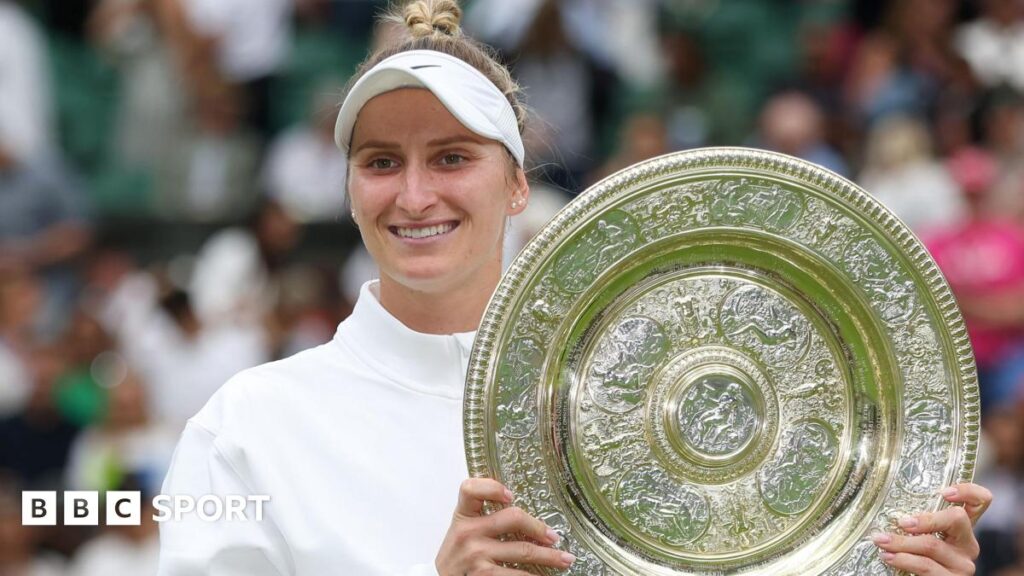
Vondrousova, who is 46th in the women’s rankings, can continue playing as the offence does not incur an immediate ban and she has opted not to take a provisional suspension.
However, she has not played since withdrawing from the Adelaide International in January with shoulder pain. She went on to miss the Australian Open with the same issue.
ITIA rules say a player “evading sample collection or refusing or failing to submit to sample collection without compelling justification after notification by a duly authorised person” is deemed to have committed an anti-doping violation.
“It is very tough for me to talk about this, but I want to be transparent with you about my mental health,” added Vondrousova in her social media post.
“For a long time, I’ve been dealing with injury, constant pressure, and ongoing sleep issues that left me feeling exhausted and fragile. It slowly wore me down more than I probably realised at the time.
“On top of that, years of hateful messages and threats have affected how safe I feel in my own space.”
Referring to the visit from the drug tester, she added: “In that moment, fear clouded my judgment and I just couldn’t process the situation rationally. After what happened to Petra, we don’t take strangers at our door lightly.”
Vondrousova’s fellow Czech Petra Kvitova, a two-time Wimbledon champion, had to have surgery on her left hand and had a lengthy spell out of the game following a knife attack at her home in 2016.
“I’m trying to slowly find my way back – both on and off the court.” said Vondrousova.
“Tennis has always been my world, but right now I’m also focusing on healing and getting through this in the best way I can.
“I’m still working to clear my name, but at the same time I need to take care of myself.
“Thank you to my boyfriend, my family, and everyone who has stood by me – it means more than I can explain. For now, I’m taking a bit of time to breathe and recover.”